
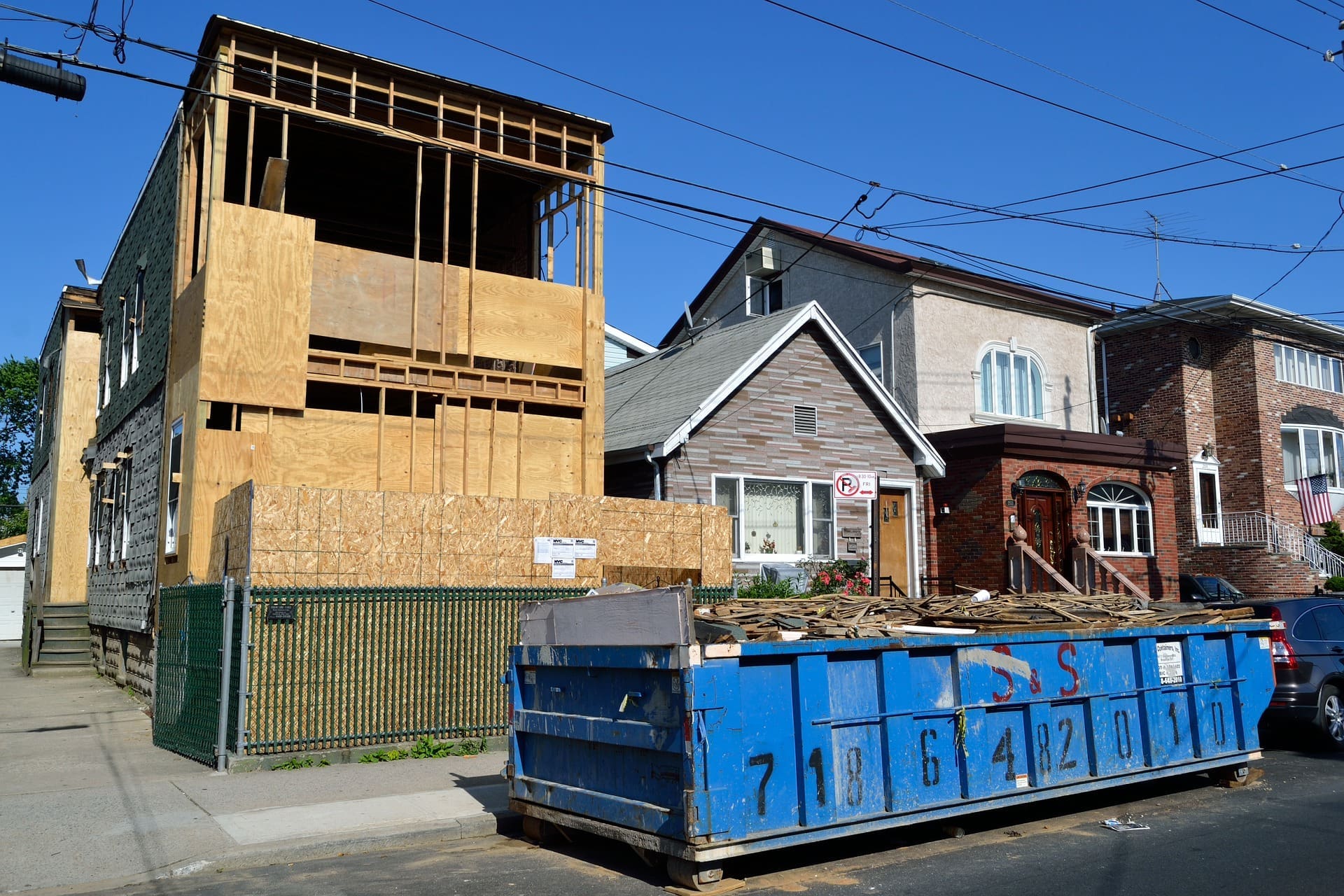
Planning a property flip in Metro Detroit is one of the most exciting, and legally complex, moves a real estate investor can make. As a Michigan real estate attorney with more than 35 years of experience, I have seen investors generate life-changing profits on Metro Detroit flips. I have also watched promising deals collapse because investors skipped the legal groundwork. This guide gives you both: the practical investor playbook and the Michigan-specific legal framework that protects your profit.
Metro Detroit’s real estate market continues to attract investors for good reason. In Q2 2024, Michigan flippers earned an average gross profit of approximately $70,000 per flip statewide, and Detroit itself has posted even higher averages in revitalized corridors. Median acquisition prices in many Detroit zip codes remain well below the national average, which means the entry cost is lower and the upside is real. However, Michigan law imposes specific obligations on anyone who buys, renovates, and resells residential property, obligations that television renovation shows never mention.
Below, you will find the five core tips for a successful Metro Detroit property flip, followed by a deeper look at the Michigan legal requirements every flipper must understand before they sign a purchase agreement.
Before You Buy: The Michigan Legal Framework Every Flipper Must Know
Before you evaluate a single property, you need to understand the legal landscape. Michigan law imposes real obligations on investors who engage in repeated buy-renovate-resell activity. Ignoring these rules does not make them go away; it just turns legal risk into personal financial liability.
Michigan Residential Builder Licensing Requirements
This is the rule most Metro Detroit flippers do not know, and it may be the most important one. Under state regulations, a person who engages in the purchase, substantial rehabilitation or improvement, and resale of a residential structure more than twice in a single calendar year must hold a valid Residential Builder or Residential Maintenance and Alteration Contractor (RMAC) license issued by the state’s licensing department.
Additionally, the City of Detroit itself requires a separate Certificate of Registration from the Buildings, Safety Engineering, and Environmental Department (BSEED) for any contractor pulling permits to construct, enlarge, alter, or repair a one- or two-family dwelling inside city limits. Operating without the proper license exposes investors to civil penalties and can create serious contract enforceability issues.
Even if you personally do not swing a hammer, your contractors must be properly licensed. Electrical work requires a state electrical contractor license, and plumbing requires a licensed master plumber. Hiring unlicensed contractors on a flip is not a shortcut; it is a liability.
The Michigan Seller Disclosure Requirements
When you sell the flipped property, you become subject to state disclosure rules. These guidelines require the seller, or the seller’s agent, to provide a written Seller’s Disclosure Statement (SDS) to any prospective buyer before the execution of a binding purchase agreement.
As a flipper, this matters because you acquired the property in a distressed condition and renovated it. You are now the seller, and the law requires you to disclose known material defects in good faith. Each disclosure must be made in good faith, meaning honesty in fact in the conduct of the transaction. Attempting to conceal a known structural defect, such as a cracked foundation, prior flooding, or a failed septic system, is not just unethical. It can expose you to post-closing litigation. For more on seller disclosure requirements and how they apply to residential transactions, see Soble Law’s guide to the Michigan Seller’s Disclosure Act.
Property Tax Uncapping Rules
This is a cost that surprises many first-time flippers in Michigan. Under state tax rules, every time a property is sold, the taxable value is uncapped and reset to 50% of the property’s current true cash value in the following calendar year. For a heavily renovated property in a revitalizing Metro Detroit neighborhood, this can mean a significant jump in property taxes during your holding period if you take longer than expected to sell.
Factor property tax uncapping into your holding cost calculations. If you acquire in December and hold past January 1 of the next year, your taxes reset upward based on the post-renovation value, not the distressed price you paid. Budget for it.
Tip #1: Do Your Research — Location Is Everything in Metro Detroit
The most critical factor in any property flip is location, and the Metro Detroit market requires neighborhood-level precision. Metro Detroit spans dozens of cities and townships, from Hamtramck to Grosse Pointe, from Ferndale to Dearborn, each with its own price trends, buyer demographics, and renovation expectations.
Before you make an offer, you need to know: What are comparable sales (comps) telling you about the after-repair value (ARV) in this specific zip code? What is the average days-on-market for renovated homes in this neighborhood? Is there infrastructure investment, such as school improvements, commercial development, or transit upgrades, that suggests continued appreciation?
For investors who are less familiar with specific Metro Detroit submarkets, partnering with an experienced local investor or a knowledgeable buyer’s agent who specializes in investment properties is not optional; it is essential due diligence. Purchasing a cheap house and purchasing a good deal are two entirely different things. Due diligence before closing is far less expensive than a bad investment after closing.
Also review the purchase agreement carefully. Michigan’s standard purchase agreement contains inspection contingencies, financing contingencies, and other terms that protect buyers, but those protections only work if the contract is drafted properly. An attorney review of your purchase agreement before you sign can save you from a clause that locks you into a deal you cannot exit. See Proven Resource’s purchase agreement overview for more on what Michigan purchase agreements should include.
Tip #2: Run the Numbers — The 70% Rule and True Holding Costs
What you pay for the property is the single biggest lever in your profit equation. Experienced Michigan flippers use the 70% Rule as a foundational pricing benchmark: your maximum acquisition price should not exceed 70% of the after-repair value (ARV), minus your estimated renovation costs.
Maximum Purchase Price = (ARV × 0.70) – Renovation Costs
However, many first-time Metro Detroit flippers undercount their true costs. Renovation estimates are not your only expense. Your complete holding cost picture must include:
-
Acquisition costs (purchase price, closing costs, transfer taxes)
-
Renovation budget plus a contingency reserve (10% to 20% is standard)
-
Financing costs (hard money loan interest typically runs 12% to 18% annually)
-
Property taxes, and remember the tax uncapping issue discussed above
-
Insurance during renovation (standard homeowner policies often exclude vacant properties)
-
Utilities during the rehab period
-
Selling costs (agent commissions, closing costs, seller concessions)
-
Capital gains tax on the profit (consult a tax advisor on your specific situation)
Decisions driven by optimism or emotion about the market, rather than hard numbers, are where flips fail. Build your model conservatively, then stress-test it. If the deal still works at a higher renovation cost and a longer hold time, it is a good deal.
Tip #3: Build Your Team Before You Make an Offer
A successful property flip in Metro Detroit is a team sport. The quality of your support network determines the quality of your outcome. Assemble the following professionals before you begin actively searching for properties, not after you have a deal under contract.
| Team Member | Why They Matter |
| Real Estate Attorney | Reviews purchase agreements, resolves title issues, handles closing. Essential for catching contract problems before they become litigation. |
| Licensed Home Inspector | Identifies structural, mechanical, and code issues before you close. Post-inspection negotiation power is significant. |
| Licensed General Contractor | Provides accurate renovation scopes and costs. Must hold a valid Michigan Residential Builder or RMAC license. |
| Hard Money or Private Lender | Pre-qualification before you bid means you can close fast, a major competitive advantage on distressed properties. |
| Title Company | Searches for liens, unpaid taxes, and ownership chain issues. Title insurance protects against undiscovered claims. |
| Real Estate Agent (Investor-Focused) | Provides market comps, access to off-market deals, and representation on both the buy and sell side. |
One of the most important, and most overlooked, team members is the real estate attorney. Michigan real estate transactions involve regulations, disclosures, and contract terms that can become costly if mishandled. Having an attorney review the purchase agreement, the title search, and the closing documents is not an expense; it is risk management. Visit Soble Law’s real estate transaction services to learn more about our comprehensive legal resources.
A professional home inspection is equally non-negotiable. Metro Detroit’s older housing stock means that foundation issues, outdated electrical panels, galvanized plumbing, and lead paint are real possibilities. An inspector finds these before you own them. See Soble Law’s guide on home inspections for more on why inspections are critical for investors.
Tip #4: Focus Renovations on ROI — Not Personal Preference
The Metro Detroit buyer pool will drive your renovation decisions, not your own aesthetic preferences. In a sub-$200,000 resale market, buyers expect functional, clean, and neutral. They are not expecting granite countertops or high-end fixtures. Over-improving a property relative to neighborhood comps is one of the most common, and most expensive, mistakes first-time flippers make.
Prioritize renovations in this order for maximum ROI in Metro Detroit flips: (1) structural and mechanical systems (roof, HVAC, electrical, plumbing), which buyers and lenders both flag; (2) kitchen and bathroom cosmetic updates for the highest perceived-value return; (3) curb appeal because first impressions drive showings; (4) interior paint and flooring for a low cost, high visual impact; (5) staging and photography.
A critical note on renovations: significant structural work, electrical upgrades, plumbing replacements, and additions to the building footprint typically require building permits from the local municipality. In the City of Detroit, this means working with the Buildings, Safety Engineering, and Environmental Department (BSEED). Unpermitted work creates disclosure obligations, can create title issues, and is a red flag for both buyers and their lenders. Pull the permits. Do the inspections. Get the certificates of occupancy you need.
Tip #5: Stage and Market the Property to Stand Out
In today’s Metro Detroit real estate market, buyers begin their search online, often before they ever contact an agent. Your listing photos are your first showing. A poorly photographed property will be scrolled past, regardless of how good the renovation is.
Professional staging removes the blank, vacant-property effect and allows buyers to emotionally envision themselves in the space. Keep staging choices neutral, using warm whites, soft grays, and natural textures. Avoid highly personal or trendy decor that dates quickly or narrows the buyer’s self-projection. A staged home signals a cared-for property.
Your marketing plan should include professional photography with wide-angle lenses, a 3D virtual tour or drone footage, immediate MLS listing through a licensed agent, distribution to Zillow, Realtor.com, and other major portals, and targeted social media promotion in Metro Detroit investor and buyer communities. Time on market is a cost; every week the property sits, you are paying carrying costs. A strong marketing launch drives early offers.
Before accepting an offer, review it carefully with an attorney. Michigan purchase agreements contain contingencies, timelines, and seller obligations that can create significant liability if misunderstood. See Proven Resource’s purchase agreement overview for an understanding of what these documents mean for sellers.
Don’t Overlook Title Insurance and Deed Issues on Distressed Properties
Metro Detroit flippers frequently acquire distressed properties, including foreclosures, estate sales, tax sales, and short sales. These acquisitions carry elevated title risk. A prior owner’s unpaid contractor liens, undisclosed mortgages, or defective deed conveyances can cloud your title and make it difficult, or impossible, to convey clear title to your buyer.
Owner’s title insurance protects against these undiscovered claims. It is not expensive relative to the risk it covers, and it is strongly advisable on any flip. For properties with complex ownership histories, a quiet title action may be necessary to clear the title before you can sell. See the top reasons to have title insurance for more detail.
Also pay attention to the deed itself. Recording errors, incorrect legal descriptions, and defective conveyances are more common on older Metro Detroit properties than most investors expect. Reviewing Soble Law’s reference on deed errors gives you a sense of the types of title problems that can derail a closing.
A Note on As-Is Purchase Agreements in Michigan
Some Metro Detroit flip opportunities are marketed as “as-is” sales. In Michigan, an as-is purchase agreement does not relieve the seller of all disclosure obligations; it is not a complete shield. Sellers remain obligated under state disclosure guidelines to disclose known material defects in good faith, even in an as-is transaction. What an as-is clause primarily does is limit the seller’s obligation to make repairs as a condition of closing.
As the buyer in an as-is transaction, you assume significant risk. This is precisely why a thorough home inspection and careful attorney review of the contract are essential before you close. Soble Law’s detailed guide to as-is real estate transactions in Michigan breaks down these expectations explicitly.
Frequently Asked Questions About Property Flips in Metro Detroit
Q: Do I need a license to flip houses in Michigan? A: It depends on how often you flip. Under state rules, a person who engages in the purchase, substantial rehabilitation, and resale of a residential structure more than twice in a single calendar year is required to hold a Michigan Residential Builder or Residential Maintenance and Alteration Contractor license. If you are flipping infrequently, you may be exempt, but consult an attorney to confirm your specific situation.
Q: What is the 70% rule in house flipping? A: The 70% rule is a widely used investor formula for calculating the maximum safe purchase price. Multiply the property’s after-repair value (ARV) by 0.70, then subtract your estimated renovation costs. The result is the highest price you should pay and still expect a reasonable profit margin after all holding and selling costs are accounted for.
Q: What are the seller disclosure requirements when I sell a flipped house in Michigan? A: Michigan’s state guidelines require you to provide a written Seller’s Disclosure Statement to the buyer before any binding purchase agreement is signed. You must disclose known material defects in good faith. This obligation applies even if you sell the property as-is. Failure to disclose can expose you to post-closing litigation.
Q: What permits are required for a house flip renovation in Detroit? A: Most significant renovation work, including structural changes, electrical upgrades, plumbing replacements, HVAC installation, and additions, requires building permits from the City of Detroit’s Buildings, Safety Engineering, and Environmental Department (BSEED). Contractors must also hold valid licenses from the State of Michigan and register with BSEED. Unpermitted work creates disclosure obligations and can complicate your resale.
Q: How does Michigan property tax uncapping affect a house flip? A: Under state law, every transfer of ownership causes the property’s taxable value to uncap and reset to 50% of its current true cash value in the following calendar year. For a renovated Metro Detroit flip, this means property taxes will likely increase significantly in the year after you acquire the property. Budget for higher taxes, especially if your hold period extends past December 31.
Q: Do I need a purchase agreement reviewed by an attorney for a Metro Detroit flip? A: Yes, strongly recommended. Michigan purchase agreements contain contingencies, timelines, and default provisions that can create significant liability if misunderstood. An attorney review before signing protects you on both the buy side and the sell side. Soble Law handles real estate transactions throughout Michigan.
Q: What is the average profit on a house flip in Metro Detroit? A: Recent data indicates that Michigan flippers earned an average gross profit of approximately $70,000 per flip in Q2 2024, with the City of Detroit itself posting higher averages in certain neighborhoods. However, gross profit does not equal net profit; you must subtract renovation costs, financing costs, holding costs, and selling expenses. Net margins vary widely depending on acquisition price, renovation scope, and time to sell.
Soble Law helps clients identify where real estate and business deals break down, define the legal risk, and take control of the next step.
Call: 888-789-1715
Website: www.provenresource.com
Schedule a Strategy Consultation
About David Soble: David is a seasoned real estate and finance attorney with more than 35 years of experience, combining his background as a “big bank insider” with a commitment to demystifying complex legal issues for his clients. As the founding attorney of Soble Law (Soble PLC), he leads a specialized team in Michigan and Ohio that handles real estate transactions, contract disputes, probate, and financial litigation. Known for a practical, no-nonsense approach and peer-rated excellence (Martindale-Hubbell AV Preeminent), Soble and his team strive to protect clients’ property and financial interests with clarity, integrity, and experience.
Disclaimer: The information in this article is for general educational purposes only and does not constitute formal legal, financial, tax, real estate, finance, probate, or any other professional service or advice. Reading this content or contacting us does not establish an attorney-client relationship. Every situation is unique, and laws change frequently, so you should always consult with your own qualified attorney or professional advisor before making any decisions.